The keyboard case is the structural foundation that houses all your internal components and defines the overall sound signature.
While enthusiasts often focus on switches and keycaps, the material of the case dictates how sound waves resonate and reflect during typing.
Choosing between plastic, aluminum, or wood is not just an aesthetic decision; it is a technical choice that affects the weight, stiffness, and acoustic profile of your build.
After testing dozens of materials in various environments, it is clear that each material offers a distinct physical and auditory experience.
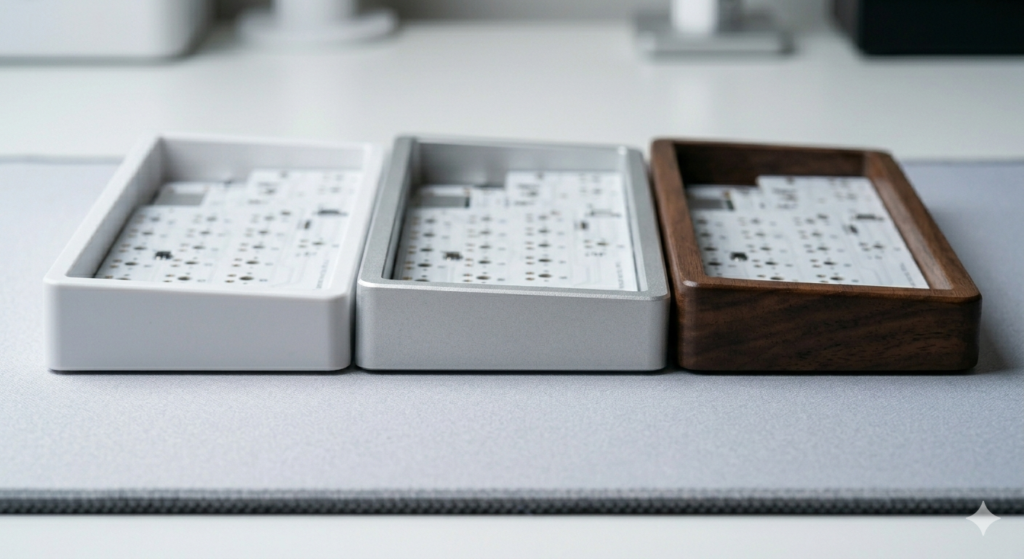
This guide provides a professional breakdown of the three most popular keyboard case materials available in 2026.
Plastic Cases: The Foundation of Modern Modding
Plastic is the most common material for entry-level and mid-range mechanical keyboards.
Most budget cases are made from ABS (Acrylonitrile Butadiene Styrene) or Polycarbonate.
Plastic is naturally lightweight and flexible, which can provide a softer, more cushioned typing feel compared to metal.
Acoustically, plastic is relatively non-resonant, but thin plastic cases can often sound “hollow” because of the large internal air cavities.
Read Also: How to Choose the Right Keycap Profile
This hollowness is easily corrected by adding dense case foam or silicone dampeners to the bottom of the housing.
Polycarbonate is a premium plastic variant that is highly prized for its ability to diffuse RGB lighting and its slightly deeper sound profile.
Aluminum Cases: The Gold Standard for Premium Builds
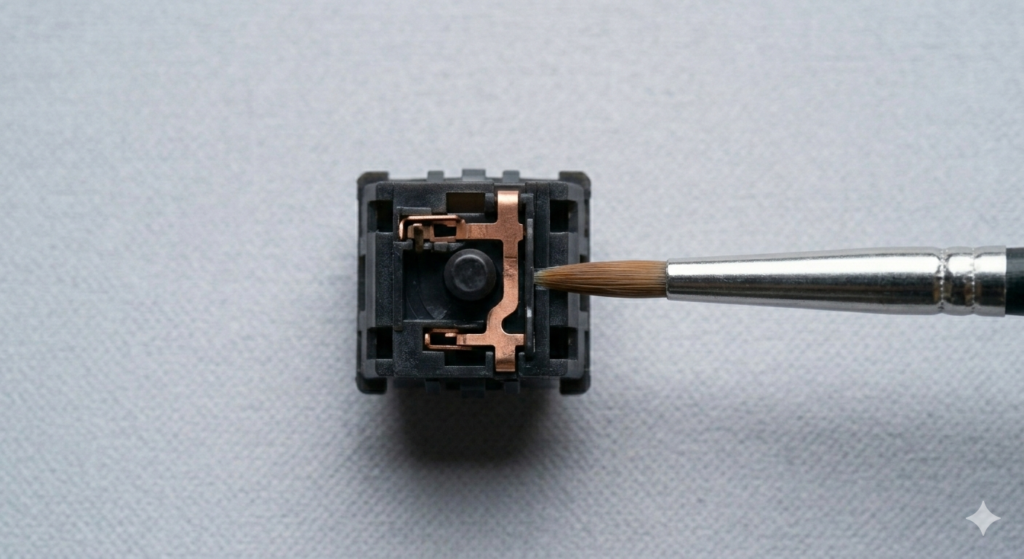
Aluminum is the definitive choice for high-end custom keyboards and professional workstations.
Most premium cases are CNC-machined from a solid block of 6061 or 7075-grade aluminum.
The primary benefit of aluminum is its extreme rigidity and weight.
A heavy aluminum case ensures that the keyboard remains perfectly stationary on your desk, even during intense typing sessions.
Acoustically, aluminum is a dense and resonant material.
If not properly tuned with gaskets or foam, an aluminum case can produce a high-pitched “ping” or metallic ringing sound.
However, when combined with proper dampening, aluminum provides the cleanest and most refined “clack” or “thock” sound signature.
Wood Cases: The Natural Acoustic Alternative
Wood keyboard cases offer a unique aesthetic and a very specific sound profile that synthetic materials cannot replicate.
Common wood types include Walnut, Rosewood, and Bamboo.
Wood is naturally porous and contains internal grain structures that act as organic sound absorbers.
This means wood cases naturally filter out many high-frequency sounds, resulting in a warm, earthy, and deep acoustic profile.
Because wood is a natural material, it can be sensitive to changes in humidity and temperature.
Read Also: The Best Mechanical Switches for Gaming
Professional wood cases are usually treated with oils or waxes to prevent warping over time.
For builders who want a unique, vintage look with a naturally muted sound, wood is an excellent alternative to plastic or metal.
Technical Comparison: Weight and Resonance
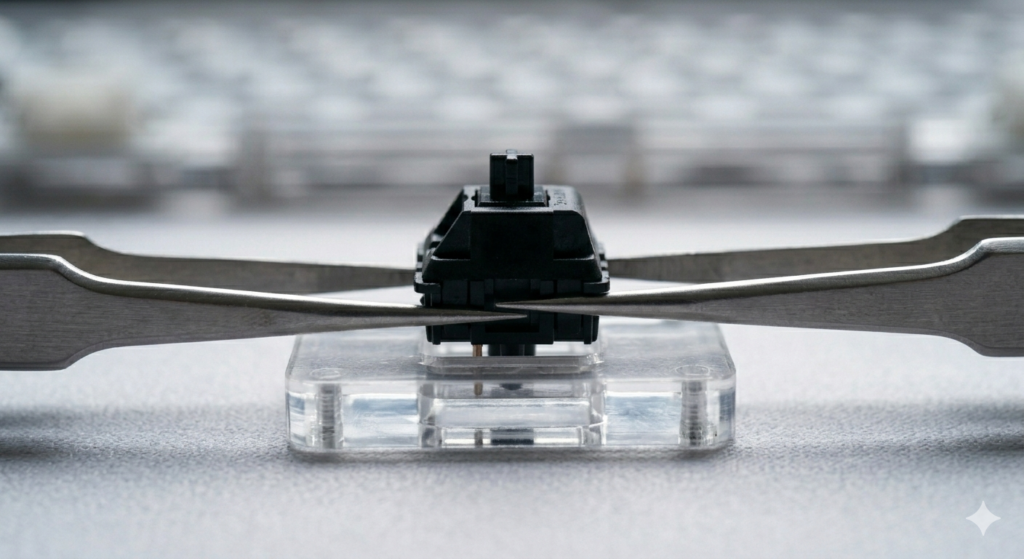
Weight is a critical technical factor in keyboard stability.
A typical plastic case might weigh 200 grams, while a solid aluminum case can easily exceed 2 kilograms.
This mass directly impacts how much vibration is transferred from the switches to your desk.
Heavier cases generally provide a more consistent typing experience because they absorb more of the downward force from your fingers.
Resonance is the other major factor.
Harder materials like aluminum reflect sound waves more sharply, while softer materials like wood or plastic absorb them.
Understanding these physical properties allows you to choose a case that matches your preferred sound profile.
Conclusion
The choice of keyboard case material is the logical recursion of professional keyboard building.
While the switches provide the tactile feedback, the case provides the acoustic environment where that sound lives.
Plastic remains the most accessible and customizable option for those who enjoy internal foam modding.
Aluminum offers the ultimate in structural integrity and a refined, premium sound for serious enthusiasts.
Wood provides a warm, natural aesthetic and an organic sound profile that stands out from modern synthetic builds.
By selecting the material that aligns with your acoustic goals, you can build a keyboard that sounds as good as it looks.